
Latest products on sale
BUY SHEETS NOW

Sale!
Substrates
From Original price was: $81.66.$40.83Current price is: $40.83.
ORDER CUT TO SIZE

Sale!
Substrates
From Original price was: $12.00.$6.00Current price is: $6.00.
Sale!


Substrates
From Original price was: $318.00.$159.00Current price is: $159.00.
Sale!
Substrates
From Original price was: $91.88.$45.94Current price is: $45.94.
Sale!

Substrates
From Original price was: $200.00.$100.00Current price is: $100.00.
Decorative and Protective – Aluminum Composite Material
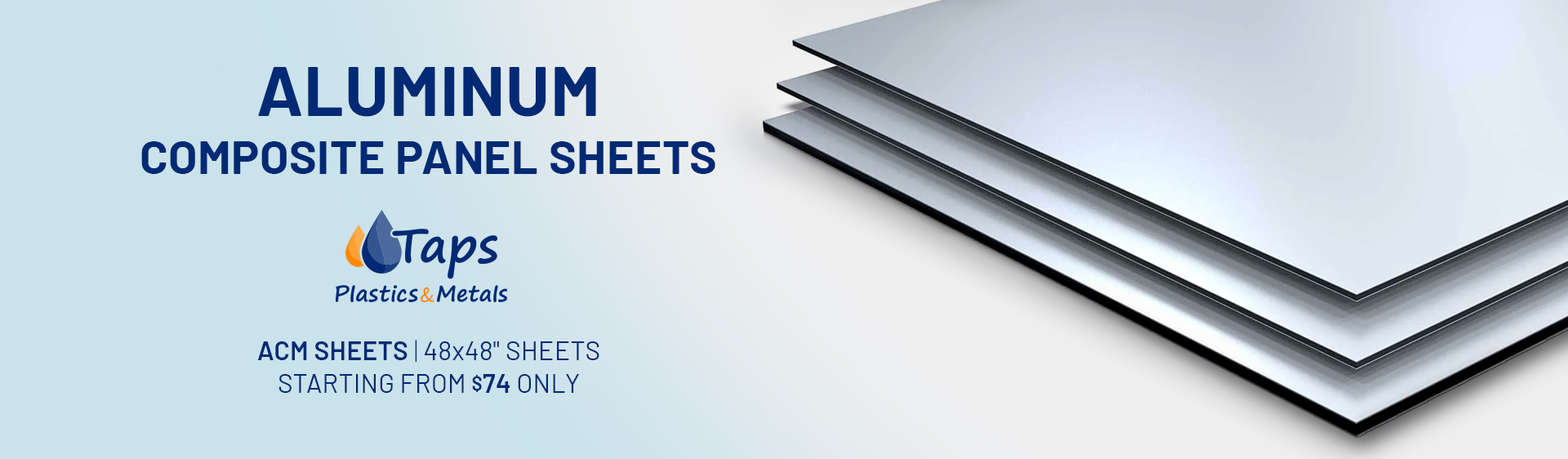
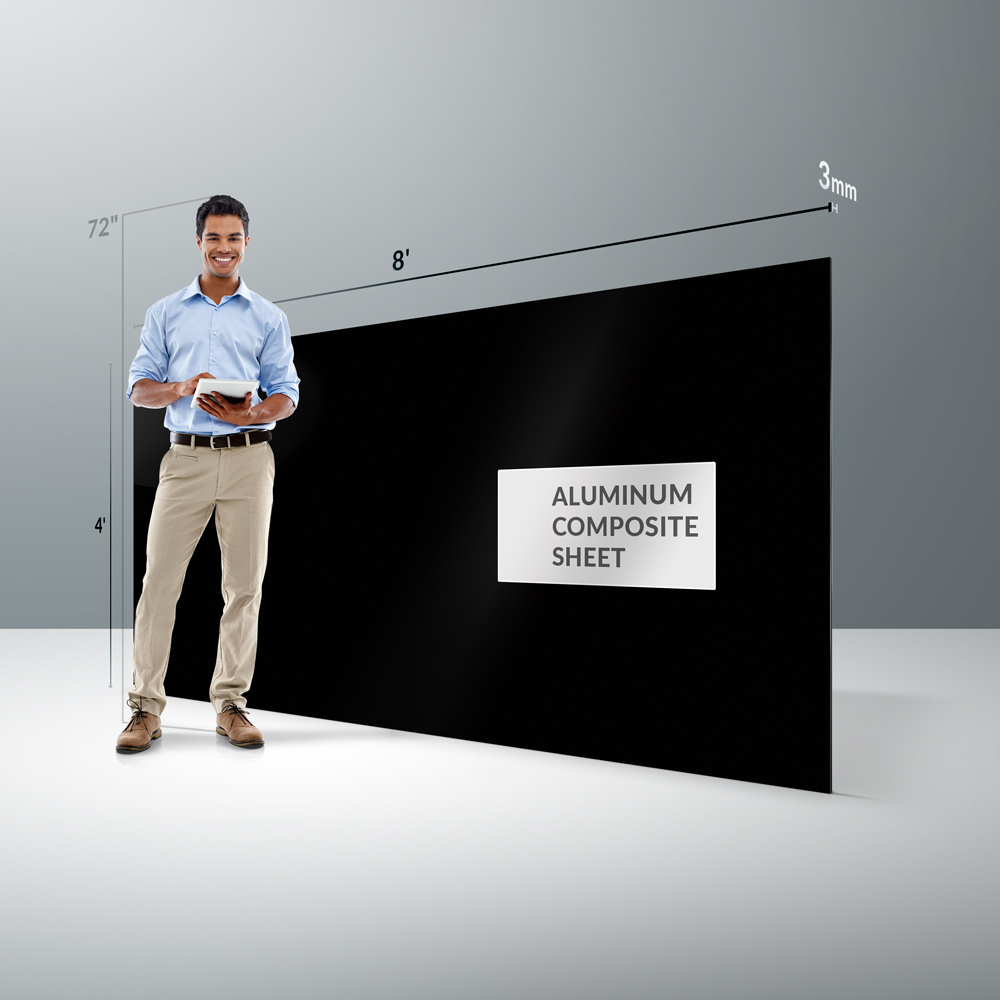
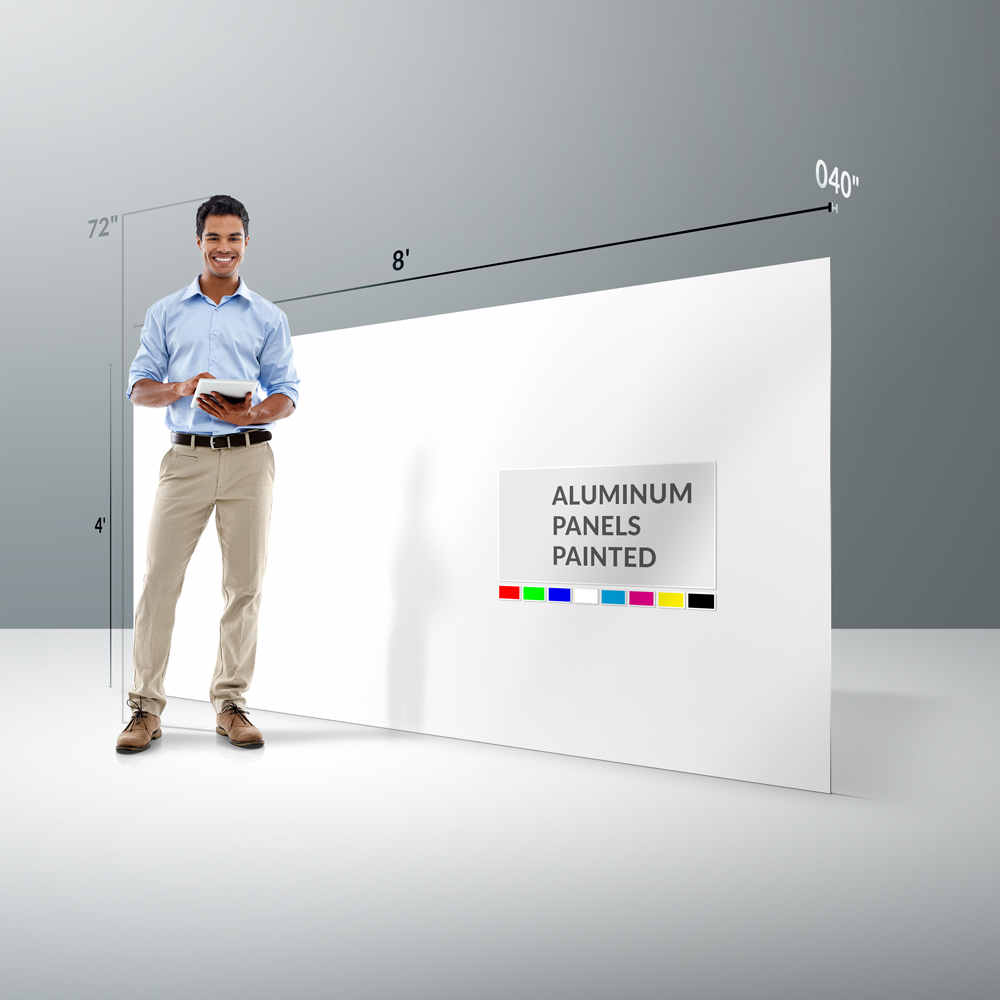
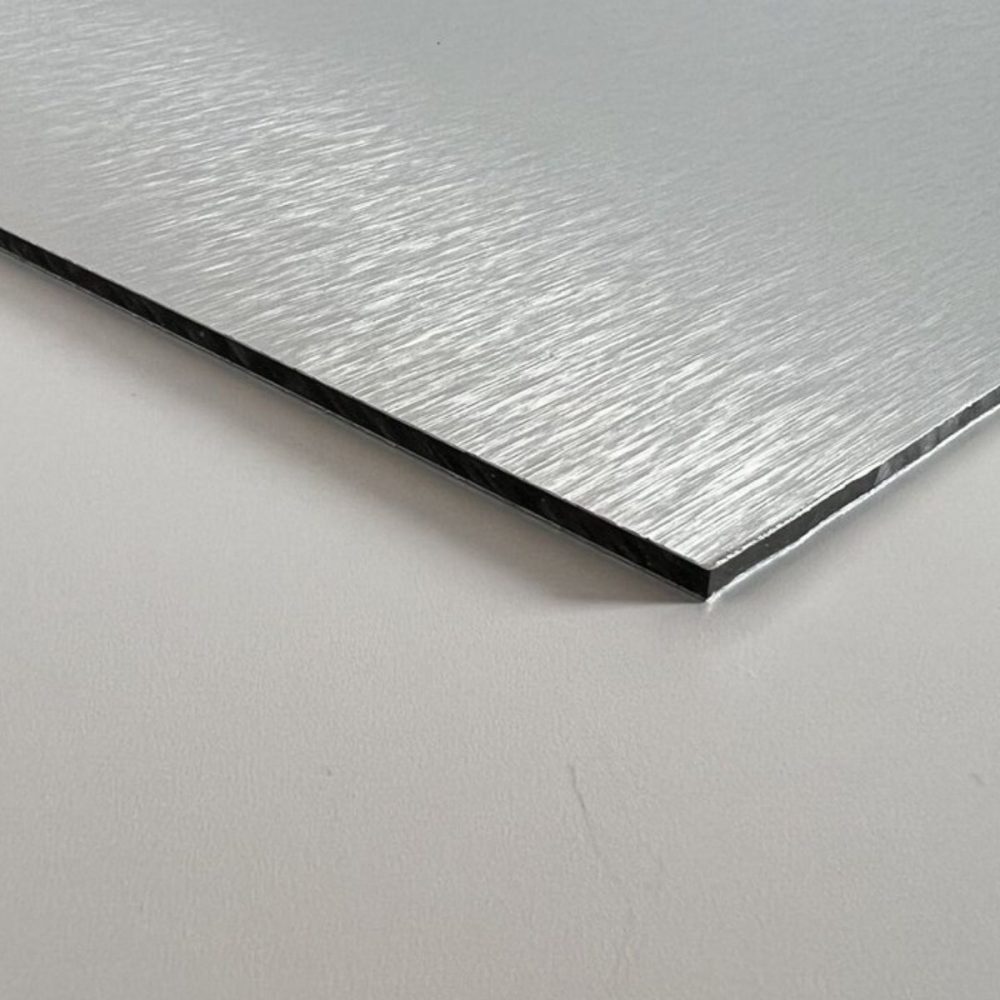
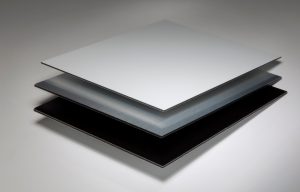
Aluminum composite materials (ACM) consist of three layers, forming a sandwich panel: two pre-painted aluminum sheets bonded to a polyethylene (PE) core, ensuring durability. These panels, widely known as ACM panels, find frequent use in architectural cladding, signage, and facades. Additionally, they are utilized in interior design, serving purposes such as wall partitions, ceiling panels, and decorative signage.
Aluminum Composite Panels
Aluminum Composite Material (ACM), commonly known as ACM, comprises two pre-finished aluminum sheets bonded to a polyethylene core, creating a rigid sheet. Renowned for its lightweight yet durable properties, ACM sheets find extensive use in outdoor and indoor signage, channel letter backings, wall liners, and insulation.
ACM is easily routable, cuttable, or roll-formed, making it a preferred material for architectural facades, building cladding, and even as a steel substitute. Compared to traditional aluminum sheeting, ACM lays flatter, reducing oil canning and rippling effects, while offering cost-effectiveness in the same gauge.
ACM materials have gained popularity in the construction sector due to their versatility and modern appearance, attracting designers for various applications. While all ACMs consist of thin aluminum sheets, customers typically have two options for the core material, with polyethylene (PE) cores being the first choice for use in ACM panels
Compared to a single-layer aluminum plate, aluminum-plastic composite panels exhibit a higher elastic limit, making them less prone to bending, and they maintain good flatness performance naturally. In contrast to aluminum panels or other metals, ACM offers similar rigidity and thickness but with a smaller and lighter profile.
Aluminum Composite – Taps Plastics
Taps Plastics
printnowusa
tapsplastics
contact
Taps Plastics
printnowusa
tapsplastics
contact